Heel Spur at Home: What Actually Helps and When to See a Doctor
Practical steps that ease heel pain at home, and an honest look at when self-care stops working and you need a physiotherapist.
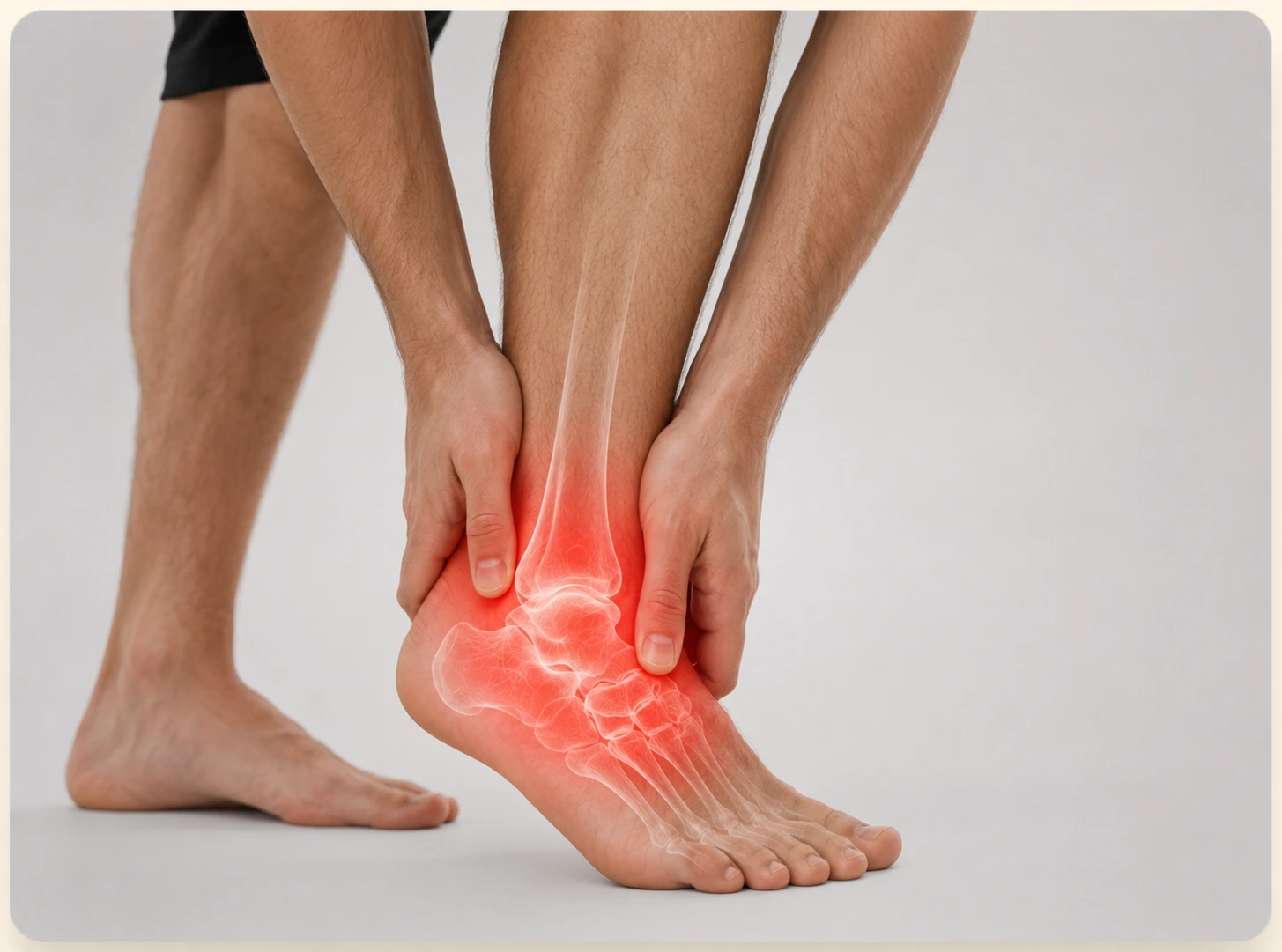
Heel pain, especially with the first steps after waking up, is one of the most commonly searched problems online — people want to quickly find a way to deal with the pain at home. Some simple measures really can ease the discomfort, but it's just as important to understand when a heel spur (plantar fasciitis) needs professional treatment.
What you can try at home
- reduce the load on your foot — temporarily avoid long walks or running on hard surfaces;
- roll a frozen bottle or ball under your foot for 10–15 minutes to ease inflammation;
- do gentle stretches for the plantar fascia and calf muscle, especially in the morning before getting out of bed;
- choose shoes with good heel cushioning or orthotic insoles;
- avoid walking barefoot on hard floors.
Do "home remedies" really help?
Warm foot soaks, salt compresses and various folk remedies can temporarily ease discomfort, but they don't change the condition of the fascia or the possible bone spur that's causing the pain. If the pain keeps coming back every few days, it means the underlying cause hasn't been resolved — not that you need to look for a "stronger" home remedy.
When home methods stop working
- the pain doesn't ease after 2–3 weeks of rest and stretching;
- the pain is sharpest specifically with the first steps in the morning and doesn't improve during the day;
- the pain starts affecting your everyday walk or causes limping;
- the pain appeared or got worse after intense physical activity or sport.
How physiotherapy helps with a heel spur
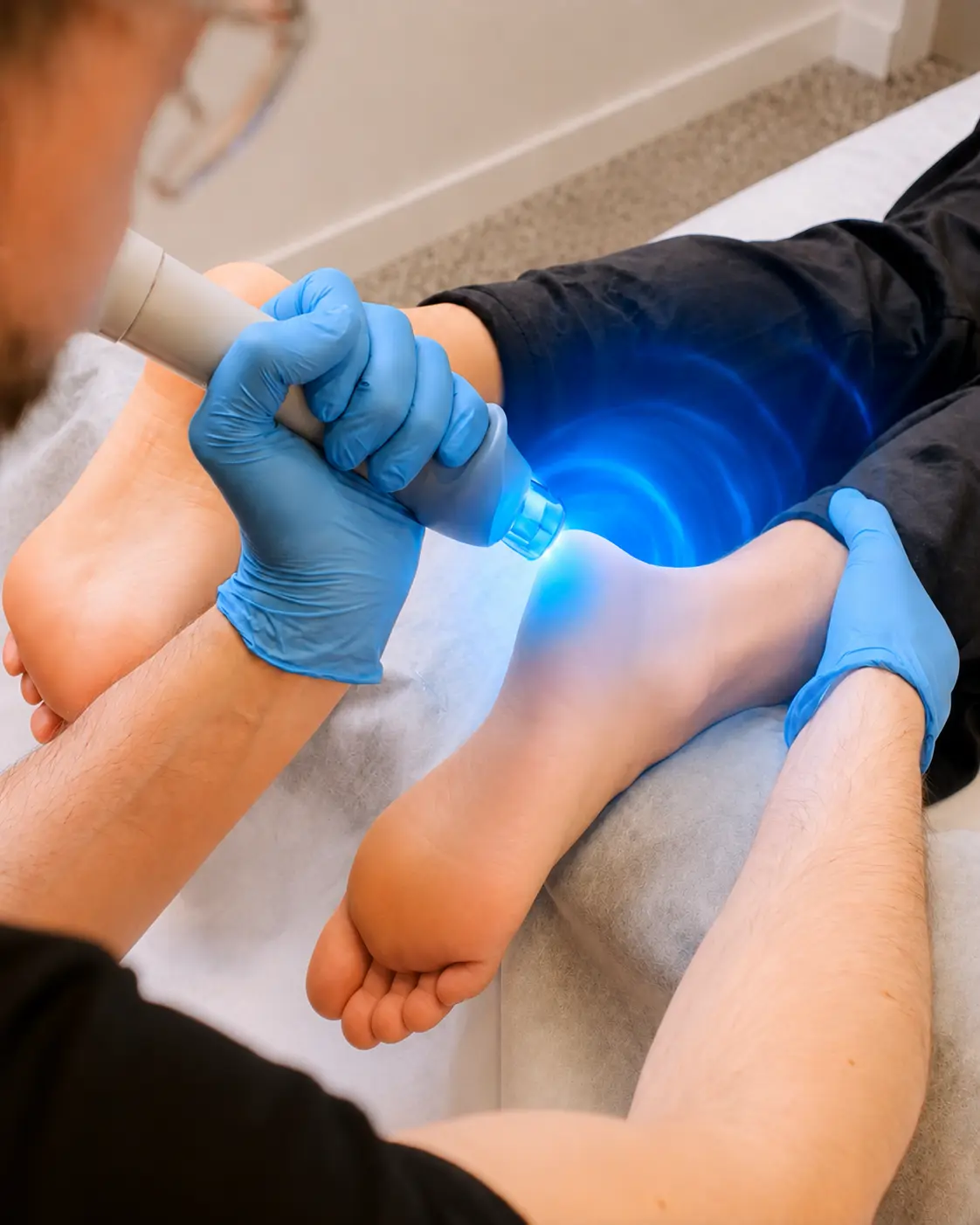
If home measures don't bring lasting relief, the next step is conservative physiotherapy that works on the inflammation and healing process of the fascia, rather than just masking the pain:
- Shockwave therapy — one of the most effective methods specifically for heel spurs;
- HILT laser therapy — reduces inflammation and speeds up tissue recovery;
- tailored stretching and strengthening exercises.
Read more about the symptoms and causes on our heel spur page.
If home methods are no longer helping, there's no reason to wait any longer — book a consultation at FizioBalance clinic in Riga, and we'll find a solution together.