Arthritis and Osteoarthritis: Causes, Symptoms and Treatment Options
What is the difference between arthritis and osteoarthritis, how to spot the early signs, and how physiotherapy can ease joint pain without surgery.
"Arthritis" and "osteoarthritis" are two of the most commonly searched terms when it comes to joint pain — and they are often confused, even though they are not the same thing. Both can cause pain, stiffness and limited movement, but their causes and treatment approaches differ.
What is the difference between arthritis and osteoarthritis?
Arthritis is a term for joint inflammation — it can be linked to an autoimmune process (such as rheumatoid arthritis) or an infection. Osteoarthritis, on the other hand, is a degenerative process in which the joint cartilage wears down over time, most often linked to age, excess weight, or long-term joint overload.
The most common symptoms
- pain during movement or after physical activity;
- morning stiffness that usually eases within 30 minutes;
- swelling or a feeling of warmth in the joint;
- a cracking or grinding sensation when moving the joint;
- a gradual decrease in range of motion.
Which joints are affected most often
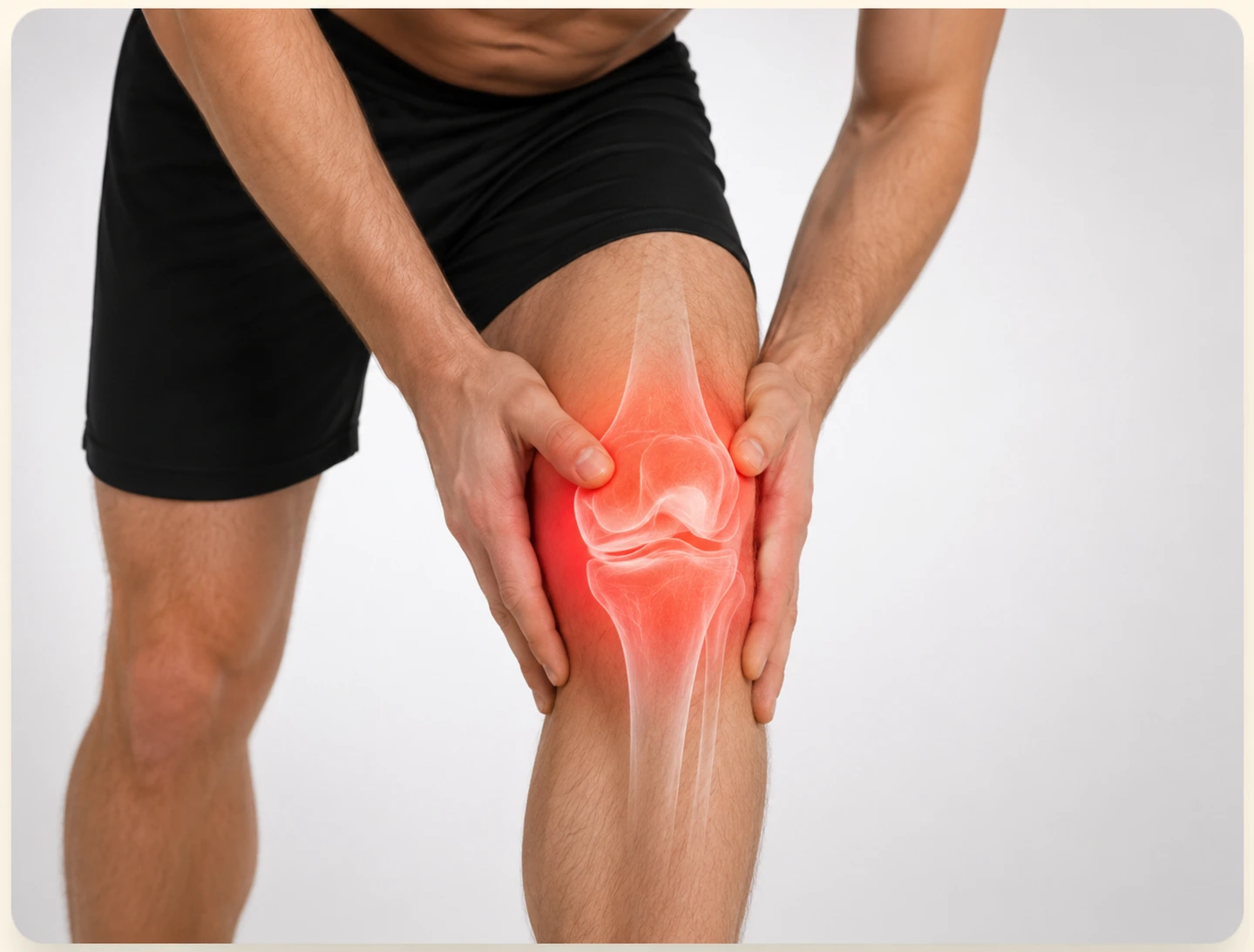
Osteoarthritis most often affects the knee (gonarthrosis), hip (coxarthrosis), shoulder, and finger joints. Rheumatoid arthritis often starts in the small joints — the hands and fingers — and affects both sides of the body at once.
How physiotherapy can help
Most patients with osteoarthritis don't need surgery — symptoms can be significantly eased with conservative methods that improve circulation in the joint, slow cartilage wear, and strengthen the muscles supporting the joint:
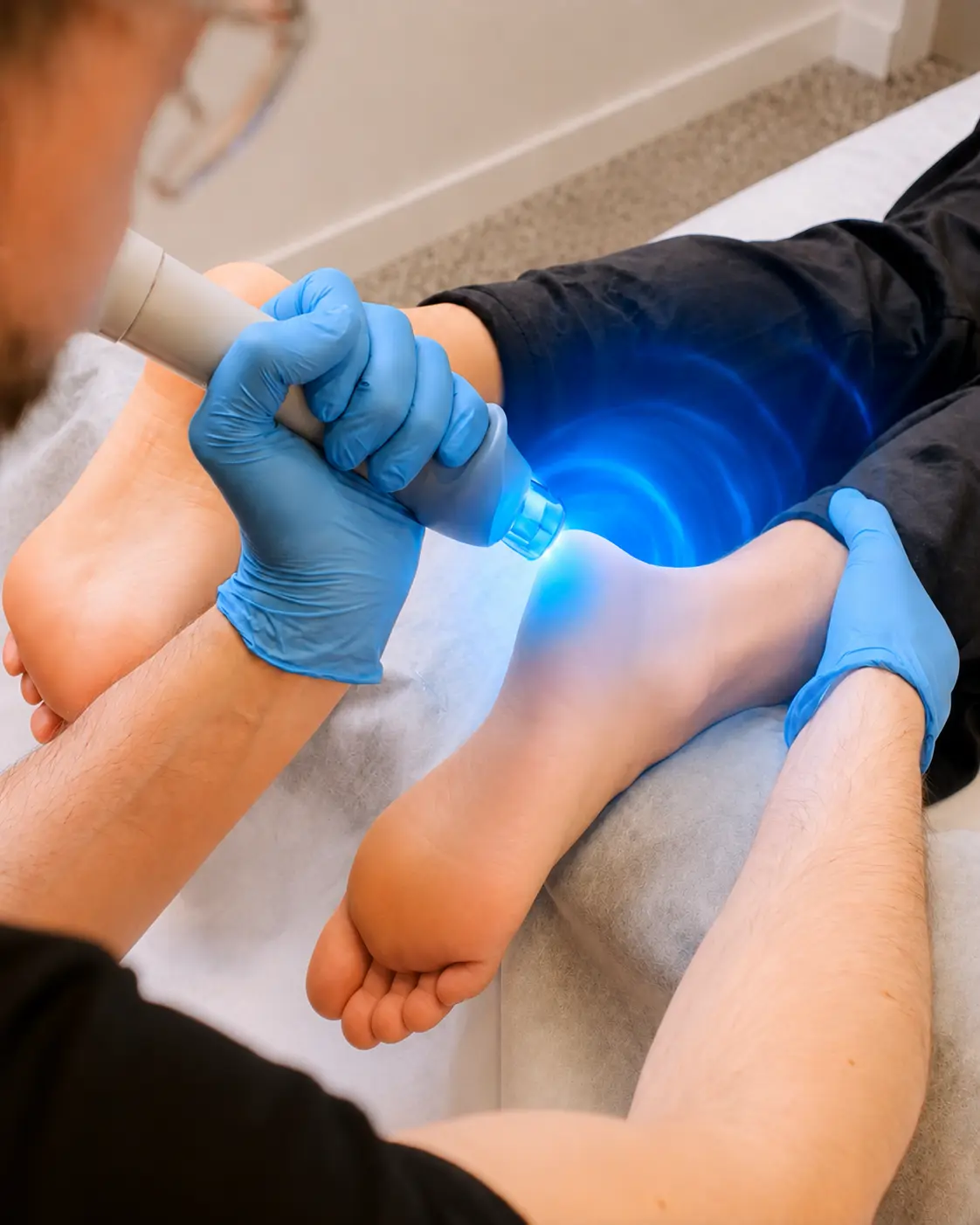
- Shockwave therapy — reduces chronic inflammation and stimulates tissue repair;
- Magnetotherapy — improves circulation and reduces swelling in the affected joint;
- HILT laser therapy — reduces pain and speeds up tissue recovery;
- Cryotherapy — effective for acute inflammation and swelling;
- a tailored exercise programme to maintain joint mobility and muscle strength.
When to see a specialist
If morning stiffness lasts longer than 30 minutes, the joint is swollen, or the pain is gradually getting worse, don't wait — the earlier treatment starts, the easier it is to slow the progression of the condition.
At FizioBalance clinic in Riga, we'll assess your situation and offer a treatment plan tailored to the condition of your joint. Book a consultation today.